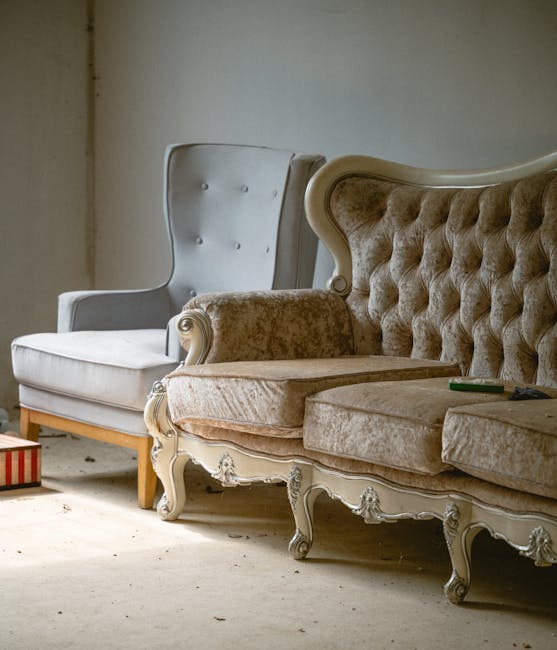
Office Clearance in Parsons Green

Office clearance in Parsons Green needs a careful, organised approach, whether you are clearing a compact studio workspace, an entire floor of desks and cabinets, or a mixed commercial unit with stored equipment, archived papers and surplus furnishings. We provide a practical office clearance service that focuses on tidy removal, sensible sorting and straightforward disposal of items that no longer need to stay on site. The aim is to leave the workspace ready for its next use with as little disruption as possible.
Our service can cover a broad mix of office contents, including desks, office chairs, shelving, filing cabinets, IT peripherals, reception furniture, boxed materials and general workplace clutter. Where items are suitable for reuse or recycling, they are separated from general waste where possible. For businesses that need a clear plan before work begins, our pricing and quotes page is a useful place to review the information needed for a quotation.
We understand that offices rarely contain only one kind of item, so a good clearance often depends on sorting, access and clear decisions rather than simple removal alone. Some spaces contain mixed furniture, archived documents, packaging and outdated display stock, while others mainly need a reset after a move or refurbishment. Clear labelling, sensible grouping and careful handling help make the process more efficient and reduce the risk of unnecessary disturbance.
Clearance for desks, chairs and office furnishings

Most office clearances begin with the items people see every day: desks, task chairs, meeting tables, storage units and reception furniture. These pieces can be straightforward individually, but in a working environment they may be arranged around power points, partitions, screens and fixed fittings. That means the clearance has to be planned around access routes and the sequence in which items can be moved, particularly where the office is still partially in use. We handle these furnishings as part of a structured office clearance rather than as isolated objects.
Furnishings are often mixed with accessories and supporting items such as desk pedestals, monitor stands, whiteboards, noticeboards and loose shelving. Some may be reusable internally, while others are simply ready to leave the premises. Where useful, items can be grouped by type so that the space is cleared in a cleaner order and so that the client can see what has been removed. If you also need other kinds of domestic or commercial clearance, our home clearance page shows the wider kinds of clearance work we offer.
Typical furnishing-related work includes:
- disassembling manageable office furniture where required for safe removal
- removing desks, chairs, tables, cabinets and storage units
- clearing loose accessories, presentation boards and small fixtures that are not fixed to the building
- separating reusable, recyclable and general items where practical
Clearing IT equipment, archives and workplace materials

Offices often hold more than furniture. They may contain computers, monitors, printers, telephony equipment, cables, archived files, marketing material and boxed supplies that have accumulated over time. A thorough office clearance should account for these contents as well as the larger items, because the smaller pieces often take longer to sort than expected. We can remove a wide range of workplace materials, keeping the process orderly and helping to reduce the amount left behind once the main furniture has gone.
Archived paperwork and storage items need particular care because they may include confidential or sensitive material. Businesses sometimes prefer to keep some records while removing redundant stock, which means the clearance must allow for selective sorting rather than blanket removal. If you are preparing a larger mixed clearance, the business waste removal page is another relevant place to look at service coverage for commercial premises and ongoing waste needs.
Good preparation can make the visit easier, and two simple steps are often enough: separating items that must stay from items that can go, and making sure access routes are open enough for safe movement. If there are specific items that need extra handling, it helps to keep them together rather than scattered across the office. That way, the clearance can be carried out in a logical order without turning the workspace upside down.
Planning office clearance around access, timing and building rules
Office buildings vary widely, even within a single area. Some premises have lift access and wide corridors, while others involve stairs, timed entry, shared entrances or limited loading space. A sensible clearance plan takes these conditions into account before the work starts, especially where larger desks, cabinets or conference tables need to pass through tighter routes. We aim to work in a way that respects the building layout and the needs of any other occupants nearby.
Timing can matter just as much as physical access. Some businesses prefer a clearance outside normal working hours, while others need part of the office to remain operational during the process. In those cases, the work may be split into stages so that one area can be cleared while another remains available. For related property clearances, our flat clearance page is a useful example of how we approach occupied spaces where access and order both matter.
Before a quotation is prepared, it helps to know the approximate volume of items, the type of contents involved and any access constraints that could affect removal. Photos, a brief inventory and notes about parking or stairs can all help build a clearer picture of the job. These details are especially useful where office furniture is heavy, where there is a lift booking system, or where the clearance needs to be completed in stages rather than all at once.
Choosing the right level of clearance work

Not every office clearance is the same. Some clients want a full emptying of an entire suite, while others only need selected rooms, storage areas or unused equipment removed. The right level of service depends on how the office is used, what needs to stay, and whether the space must be handed back in a particular condition. A good clearance service should be flexible enough to deal with everything from a single surplus area to a more involved multi-room project.
In practical terms, this can include removing old workstations from a shared office, clearing a storage room full of redundant files, or taking away furniture after a refit. It may also involve separating out items that are no longer wanted but are still in usable condition. If you are comparing different kinds of removals, our furniture clearance page focuses on the removal of standalone items and mixed furnishings rather than full room contents.
For many businesses, the decision is not just about size; it is about how carefully the work needs to be sequenced. A small office can still be awkward if important equipment remains in place, while a larger premises can be manageable if the contents are already grouped and easy to reach. The best approach is usually the one that clears the space cleanly without unnecessary handling or repeated moving of the same items.
About Parsons Green
Parsons Green is a district in the London Borough of Hammersmith and Fulham, centred on the green itself and closely associated with the wider Fulham area. The name comes from the green open space that gives the district its identity, and the locality is shaped by a blend of residential streets, local shops and established transport links. Parsons Green Underground station, on the District line, sits near the centre of the area and helps define its everyday rhythm, with steady movement along the nearby streets rather than a single grand commercial core. The district also sits within a part of west London known for its long urban development history, where former village edges were gradually absorbed into the capital. Much of the character comes from the balance between the open green, the surrounding terraces and the busier roads leading towards Fulham Broadway and the Thames. Parsons Green itself remains a notable local landmark, used informally as a gathering point and framed by mature trees and nearby residential buildings. The wider area includes a mix of late Victorian and Edwardian architecture, along with later infill and carefully maintained street frontages that give the neighbourhood a settled, lived-in feel. Green space, local pubs, independent shops and everyday commuter use all contribute to a district that feels distinctly urban while still retaining a village-like focal point around the green. That combination of transport access, historic layering and compact streets is central to the way Parsons Green is understood today.
Office clearance for moves, refurbishments and handovers
When a business is moving, refurbishing or ending a tenancy, the office clearance often needs to follow a fixed sequence. Certain items may need to remain until the final day, while others can be removed earlier to make room for decorators, surveyors or new furniture deliveries. We can work with that kind of staged requirement so that the remaining space stays usable until the final clearance phase. This is often the most efficient way to handle larger or more time-sensitive commercial clearances.
Handover work can also involve removing items left in cupboards, clearing shared storage, taking away redundant technology and dealing with office clutter that has built up over several years. If your requirement is specifically tied to office premises rather than mixed domestic contents, our office clearance page provides a direct route to this main service. For premises with additional waste streams, the waste removal page can also help you understand how broader removals fit alongside a clearance of this kind.
In many cases, the most helpful quotation is the one based on clear information rather than guesswork. If you are ready to move forward, send the basic details, note any access issues and ask for a quotation that reflects the actual contents and layout. Tell us what must stay, what can go and when the space needs to be clear, and we can shape the work around those priorities.
What can be removed during an office clearance
A well-run office clearance can cover a wide variety of items, from bulky furniture to the smaller objects that fill cabinets and cupboards. The exact mix changes from one workplace to another, but the service is generally designed to remove redundant contents in a practical, tidy manner. That might include old workstations, conference furniture, reception items, storage units, excess stationery supplies, display stands and general clutter that is no longer needed for day-to-day use.
Some businesses also need removal of items from ancillary areas such as copy rooms, staff rooms, basements or internal stores. These spaces often hold the things that have been pushed aside and forgotten, so they can become just as important as the main office floor. If your clearance includes out-of-the-way spaces as well as furniture, our garage clearance page offers a useful comparison for clearing storage-heavy areas where access and sorting matter.
The best result usually comes from a simple rule: keep what is needed, remove what is redundant, and make the distinction early. That reduces confusion on the day and helps avoid repeated handling. It also allows the clearance team to move methodically through each room rather than jumping back and forth across the premises, which is especially helpful in active workplaces.
Recycling, reuse and responsible disposal
Office clearance should not be treated as a single undifferentiated load. Different materials need different handling, and many offices contain a mixture of metal, wood-based furniture, plastics, cables and other items that benefit from sorting before disposal. Where possible, reusable pieces and recyclable materials are separated from general waste so that the clearance can be handled more thoughtfully. This is part of why a structured approach is better than a rushed one.
Responsible disposal also matters where office contents include equipment or material that should not simply be mixed in with general rubbish. A professional clearance should consider the type of item, its condition and the most sensible route for removal. For businesses that value this aspect of the service, the recycling and sustainability page explains the broader approach to handling waste streams in a more considered way.
Different jobs will naturally create different disposal requirements, but the guiding principles stay the same: sort carefully, handle safely and remove efficiently. That approach helps keep the process straightforward for the customer while still respecting the nature of the materials being cleared. It also makes it easier to deal with mixed contents without turning the project into a series of separate small jobs.
Getting a quotation for office clearance
When you ask for a quotation, the most useful details are often the simplest: the size of the office, the approximate amount of furniture and other items, the access arrangements and the date by which the space needs to be clear. If the clearance includes several rooms or floors, it helps to say so up front. That allows the work to be estimated in a way that matches the layout rather than relying on rough assumptions.
We can usually work more effectively when the client identifies any items that need special attention, such as archive boxes, electronics or furniture that must be dismantled before removal. It also helps to know whether the job is a one-off clearance or part of a larger office move, refurbishment or handover. If you are comparing options for commercial premises, our about us page gives a little more context about the wider service range available on this website.
For a clear next step, keep the request practical: outline the rooms involved, mention any restrictions and ask for a quotation based on the actual contents to be removed. A concise, accurate description often leads to a more helpful estimate than a long list of vague details. Once that is in place, the clearance can be arranged in a way that suits the property and the timetable.
Office clearance for stored items and overlooked spaces
Office premises often have more storage than people realise. Cupboards, under-desk areas, back rooms, loft-like plant spaces and hidden corners can contain old files, broken equipment, packaging and spare furniture that has been waiting for a future use that never arrived. These overlooked spaces are a common part of a clearance because they can hold a surprising amount of material without being obvious at first glance.
Working through stored items requires a steady approach, particularly if the contents have been accumulated over a long period. It can be helpful to clear them room by room or cabinet by cabinet, rather than trying to treat everything as one pile. If your premises include filing-heavy areas alongside general office contents, our loft clearance page offers another example of how storage-filled spaces are handled carefully and in stages.
That kind of methodical approach matters because what looks like clutter may still include useful records, reusable equipment or items that belong elsewhere. Clearing storage areas is therefore as much about judgement as it is about lifting and carrying. A sensible office clearance leaves behind the things that need to remain in use and takes away the material that is no longer serving the business.
Final points before you arrange the work
Before booking an office clearance, it is worth considering whether any items need to be retained for audit, records, resale or redeployment elsewhere in the business. Once those decisions are made, the rest of the job becomes simpler to plan. This is especially true for premises with mixed contents, because the difference between a useful item and a redundant one is not always obvious unless it is identified in advance.
Some clients prefer to walk through the rooms and mark the items themselves; others provide a written list or photographs. Either method can work as long as the information is clear enough to reflect the true scope of the job. If you are ready to make the request, use the contact route that suits you and ask for a quotation based on the rooms, contents and access details. We will then be able to match the clearance more closely to the work required.
For a business, a careful office clearance is ultimately about restoring usability to the space. Once the redundant items are removed, it becomes easier to reorganise, clean, refit or hand back the premises. Clear communication at the start helps make that outcome more straightforward, and it gives both sides a shared understanding of what should stay and what should be taken away.
Commercial items and mixed workplace contents
Many office clearances involve commercial items that do not fit neatly into one category. You might have a few filing cabinets, a stack of surplus chairs, old meeting-room furniture, electrical accessories and a set of boxed items stored beside them. Instead of treating each type separately, it is often more efficient to view the office as a whole and then sort the contents into manageable groups. That keeps the clearance orderly and avoids unnecessary duplication of effort.
The best commercial clearances are usually the ones that respond to the real arrangement of the premises. In some offices the priority is heavy furniture, in others it is archive material, and in others it is simply clearing enough room for contractors to begin work. If you need a broader look at the kinds of property and equipment removals available, our builders waste clearance page shows another area of removal work where the mix of materials is an important factor.
If you would like to move ahead, ask for a quotation and outline the items that need to be removed. One clear description of the job is usually enough to begin. From there, the clearance can be shaped around the premises, the contents and the practical requirements of the day.