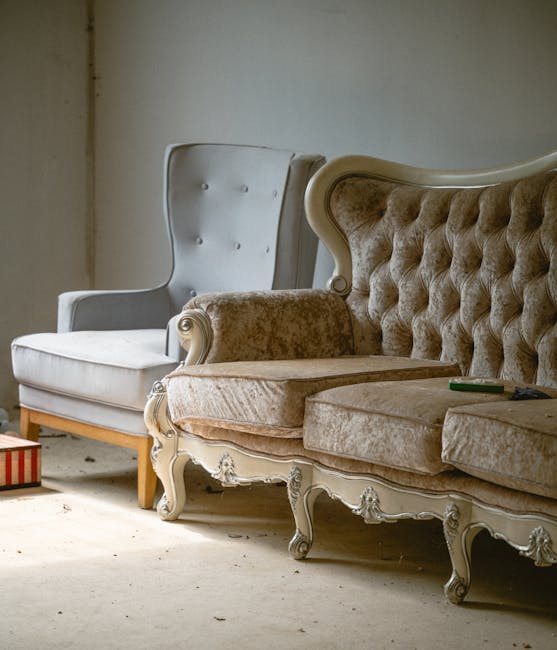
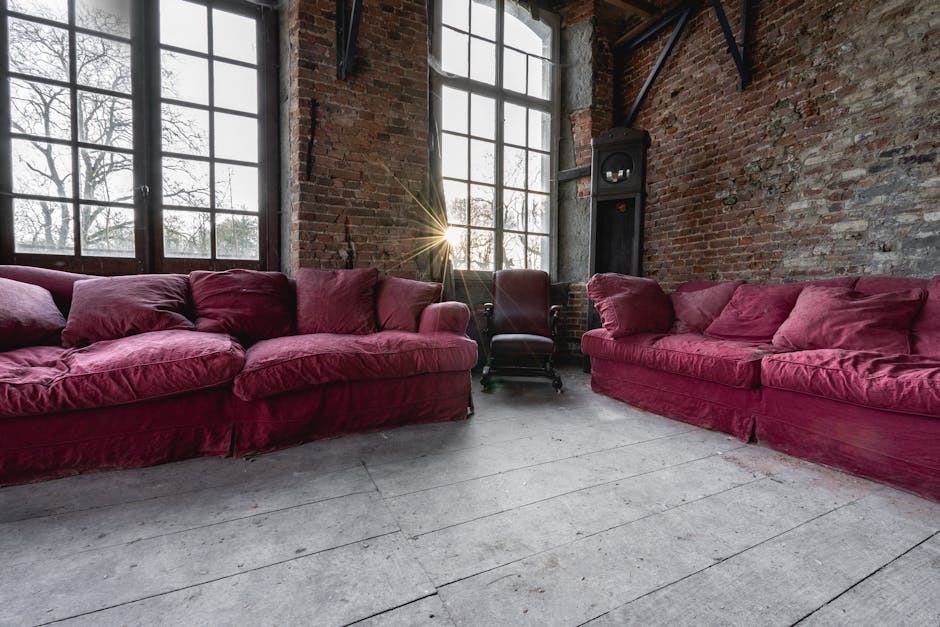
Case Study: Sofa Clearance From New Kings Road Flat
If you have ever tried to move a bulky sofa out of a London flat, you will know the feeling: tight hallways, awkward corners, a bit of sweat, and that brief moment where you wonder whether the sofa was somehow built inside the room. This Case Study: Sofa Clearance From New Kings Road Flat looks at the practical side of getting a large item removed cleanly, safely, and without turning a simple job into a full Saturday drama.
In flats off New Kings Road, space is often at a premium. That means sofa removal is not just about lifting and loading. It is about access, timing, care with walls and floors, sensible disposal, and choosing the right clearance method for the property. In this article, we will walk through how the process works, what benefits matter most, the common mistakes people make, and how to decide whether a professional clearance route is the best fit for your situation.
Quick takeaway: the best sofa clearance is usually the one that is planned before the sofa reaches the doorway. A few minutes of preparation can save a lot of trouble later.
Why This Case Study Matters
Furniture clearance sounds straightforward until you face a sofa that will not clear the stairwell, blocks the lift, or needs two people and a very careful angle to get out. That is exactly why a real-world sofa clearance from a flat near New Kings Road is worth studying. It shows what actually matters in a domestic clearance job: planning, access checks, respectful handling, and proper disposal.
People usually search for this topic for one of three reasons. They are moving out, replacing old furniture, or helping clear a property for a landlord, family member, or agent. In each case, the pressure is similar. You want the sofa gone quickly, but you also want the job done properly. No wall scuffs, no mess left behind, no confusion about what happens next.
There is another reason this type of case study matters. Flat clearances often involve mixed items, not just one sofa. Once one large item is being removed, people often realise they need help with other furniture too. A job that begins as a single-item collection can become part of a wider flat clearance or even a broader furniture clearance plan. That shift is normal. To be fair, it happens all the time.
A sofa clearance is rarely just about the sofa. It is about access, time, disposal, and making sure the property is left in a better state than it was found.
For residents on or near New Kings Road, the local context also matters. Flats can have shared entrances, narrow staircases, busy roads, and neighbours who would rather not have a sofa wedged in the communal hallway at 8 a.m. So the issue is as much about courtesy and logistics as it is about removal.
How Sofa Clearance Works in a Flat
The process is usually more methodical than people expect. A good clearance team does not just arrive and start lifting. First comes a quick assessment of access. Is there a lift? Are there stairs? How wide are the doors? Can the sofa be carried in one piece, or does it need dismantling? These are the questions that save time later.
Once the route is clear, the sofa is removed with care. That often means using protective handling techniques, checking corners, and keeping the load balanced. If the sofa is heavy, bulky, or awkwardly shaped, it may need to be turned, tilted, or partially dismantled. The aim is simple: get it out without damaging the flat or the communal areas. Sounds obvious, but you would be surprised how often that part gets rushed.
After removal, the sofa is taken for disposal or reuse assessment depending on its condition and the available routes for responsible handling. In many cases, the right destination is guided by the condition of the item, the type of material, and the clearance provider's waste handling process. That is one reason people ask about furniture disposal as well as collection. The end stage matters just as much as the lift-out stage.
Here is the practical flow in plain English:
- Check access and sofa dimensions.
- Confirm the collection time and any building restrictions.
- Prepare the route through the flat and communal areas.
- Remove the sofa carefully and safely.
- Sort the item for suitable disposal or onward handling.
- Leave the area tidy, with no leftover packaging or debris.
On the day, a smooth job can feel almost boring, and that is a good thing. The best furniture removals are the ones that do not create a story for the wrong reasons.
Key Benefits and Practical Advantages
The main benefit of professional sofa clearance is convenience, but that word barely covers it. In reality, the advantages are more specific and more useful.
- Less physical strain: A sofa can be heavier than it looks, especially with a solid frame or built-in recliner mechanisms.
- Reduced risk of damage: Tight turns and narrow halls are exactly where scratches, dents, and scraped paint usually happen.
- Faster turnaround: A planned collection can remove the sofa in a single visit rather than stretching the job over several days.
- Better disposal outcomes: A responsible clearance route helps ensure the item is handled in line with proper waste expectations.
- Less disruption to neighbours: Efficient removal is quieter, cleaner, and far less awkward in shared buildings.
There is also a subtle but important benefit: peace of mind. Once the sofa is gone, the room opens up again. You can see the floor properly, take measurements for a replacement, or simply enjoy the extra space. It sounds small, yet in a flat, that extra bit of room can change how a living area feels.
For anyone comparing options, it helps to think beyond the immediate lifting task. A clearance service can be part of a wider home clearance plan if you are clearing several items, or a more targeted furniture-only job if the sofa is the only thing in the way. The right choice depends on what you actually need gone, not what a generic checklist says you should book.
Who This Is For and When It Makes Sense
This kind of sofa clearance makes sense for a wide range of people. The obvious group is tenants or homeowners replacing old furniture. But the need comes up in less obvious situations too.
- Renters moving out: You may need to clear a sofa before the final handover.
- Landlords and letting agents: A property may need to be reset between occupiers.
- Families handling an estate or downsizing: One large item often leads to more clear-out work.
- Homeowners refurbishing a lounge: Renovation and bulky furniture rarely mix well.
- People with access limits or mobility concerns: Lifting safely matters more than speed.
It also makes sense when the sofa is in good condition but simply no longer fits the space. New builds, conversions, and compact flats often demand smaller, lighter furniture. A three-seater that looked fine in a larger house can suddenly dominate a New Kings Road flat. Truth be told, rooms do not always forgive oversized furniture.
Sometimes the deciding factor is timing. If a new sofa is arriving, the old one has to leave before the delivery team turns up. That leaves little room for error. A well-organised clearance can prevent the classic awkward handover where one sofa is in the hallway while the new one is stuck in the van outside. Not ideal.
Step-by-Step Guidance
If you are arranging sofa clearance from a flat, the most useful thing you can do is treat it like a small project. Nothing dramatic. Just structured.
1. Measure the sofa and the route out
Measure the sofa's length, height, and depth, then compare those figures with door widths, corridor turns, and stair landings. If the sofa has removable feet or arms, note that too. A few centimetres can make all the difference.
2. Clear the path before collection day
Move side tables, lamps, shoes, baskets, and any loose items away from the exit route. It makes the job safer and quicker. You do not want someone stepping over clutter while carrying a bulky sofa. That way lies stress.
3. Check building access rules
Some flats have specific quiet hours, loading restrictions, or shared entrance arrangements. If you live in a managed building, it is sensible to confirm what is expected. This avoids a last-minute shuffle on the pavement.
4. Decide whether the sofa needs dismantling
Not every sofa needs to be taken apart, but some do. Modular pieces, removable arms, and loosening feet can make a tight exit much easier. It is better to plan for this rather than discover it when the sofa is half-way through the doorway and everyone is suddenly very thoughtful.
5. Confirm the clearance method
If the sofa is part of a larger load, it may be more efficient to book it alongside other household items. If it is the only item, a focused furniture collection may be more suitable. This is where checking pricing and quotes can help you compare the practical options before committing.
6. Prepare payment and property access details
Have the collection details ready, including any access codes, lift restrictions, or parking notes if they are relevant. Small admin steps save time on the day. And yes, the person in the hallway who cannot remember the gate code is usually the same person trying to carry the sofa. Happens all the time.
7. Inspect the space after removal
Once the sofa is gone, check the area for marks, loose cushions, small fittings, or packaging fragments. A careful job should leave the room ready for the next step, whether that is cleaning, redecorating, or just sitting down and enjoying the sudden sense of space.
Expert Tips for Better Results
Here are the small things that make a surprisingly large difference.
- Keep the sofa upright until you know the route: This helps protect walls and makes corners easier to judge.
- Take photos before collection: Useful if you need to confirm the condition or show how the item was positioned.
- Remove cushions and detachable parts first: Lighter and safer. No debate there.
- Protect floors where possible: Especially in older flats where wood floors or narrow thresholds are easy to mark.
- Ask about responsible handling: A good provider should be transparent about how furniture is managed after collection.
One practical tip that often gets overlooked: do the job when the building is naturally quieter. Mid-morning can be easier than the school-run rush or the evening return home. You will notice the difference immediately if you have ever tried to coordinate movement in a busy shared corridor.
If the sofa has seen better days, do not be embarrassed by that. Most have. A little wear, a sagging cushion, the smell of old fabric and dust in the seams - that is life. The real question is whether the item can be handled safely and whether the chosen removal route makes sense for the property.
For larger or mixed clearances, it can also help to review the provider's broader service approach, such as their recycling and sustainability practices. That gives you a clearer picture of how items are likely to be processed after collection.
Common Mistakes to Avoid
Most sofa clearance problems are not caused by the sofa itself. They are caused by poor preparation. The good news is that the common mistakes are easy to avoid once you know them.
- Not measuring the route: A sofa can be only slightly too large and still fail to move through the flat.
- Leaving too many loose items in the way: Shoes, mats, and side tables create unnecessary hazards.
- Assuming all sofas are one-piece removals: Some need dismantling, and some need careful turning.
- Forgetting about communal spaces: Hallways and lifts are shared areas. Treat them with care.
- Choosing the wrong service type: A single-item collection and a full flat clearance are not the same thing.
- Leaving disposal questions until after collection: What happens next should be understood beforehand, not guessed.
One of the most frustrating mistakes is underestimating time. People often think a sofa will be out in five minutes. Sometimes it is. Sometimes it is not. If the item needs to be turned, partially dismantled, or moved through a building with tricky corners, the process simply takes a bit longer. That is not a failure. It is normal.
Another common issue is not checking whether there are other items worth removing at the same time. If the sofa is being replaced, maybe the old chair or coffee table should go too. If that is the case, a more complete house clearance style approach may be more efficient. No need to make extra work if one visit can handle more than one item.
Tools, Resources and Recommendations
You do not need a van full of specialist equipment to manage a sofa clearance well, but a few basic tools and resources make the job much smoother.
| Item or Resource | Why It Helps | Best Used For |
|---|---|---|
| Measuring tape | Confirms whether the sofa and route will fit | Planning access |
| Protective covers or blankets | Helps prevent scuffs on the sofa and walls | Carrying through tight spaces |
| Basic screwdriver or Allen key | Useful for removing feet or loose fixtures | Simple dismantling |
| Photo checklist on your phone | Helps you record the state of the space before and after | Tenant, landlord, or agent handovers |
| Clear access notes | Reduces confusion on arrival | Any flat with shared access |
If you are still deciding how to handle the job, it may help to compare furniture-focused and general waste-focused routes. A sofa is a piece of furniture, of course, but sometimes the surrounding items or packaging shift the job into broader waste removal territory. That distinction matters more than people think.
It is also sensible to check the company information pages that explain how they work. The about us page can give you a feel for the provider's approach, while the insurance and safety page can help reassure you that the process is managed responsibly. Simple pages, yes, but useful ones.
Law, Compliance, Standards, or Best Practice
For sofa clearance, the most important thing is to follow sensible UK waste-handling practice and ensure items are dealt with responsibly. You do not need to become an expert in waste law just to get rid of a sofa, but you do want to avoid casual mistakes that create problems later.
Best practice usually includes the following:
- Using a provider that handles furniture in a traceable and responsible way.
- Making sure the item is not left in communal areas or on the street without proper arrangement.
- Checking building access and health and safety considerations before moving the item.
- Separating reusable furniture from items that are genuinely at end of life.
- Keeping communication clear if the property is rented, managed, or shared.
If you are a tenant, landlord, or managing agent, it is worth keeping records of what was removed and when. Not because every sofa needs a paper trail that looks like a tribunal bundle. Just because clear notes prevent arguments later. A photo, a date, and a short note can be enough.
For more detail on site standards and responsible working practices, it is also worth reviewing a provider's health and safety policy and the terms and conditions that explain how collections are arranged. If any part of the job is sensitive, such as shared access or bulky lifting, clarity matters a lot.
Options, Methods, or Comparison Table
There are several ways to get rid of a sofa, and the right one depends on your time, access, and the condition of the item. Here is a practical comparison.
| Method | Best For | Pros | Trade-Offs |
|---|---|---|---|
| Self-removal | People with a suitable vehicle and lifting help | Can be flexible if everything lines up | Heavy lifting, access risk, disposal responsibility |
| Professional sofa collection | Flat residents, busy households, awkward access | Quicker, safer, less hassle | Requires booking and clear access details |
| Full furniture clearance | Multiple bulky items at once | Efficient for larger clear-outs | May be more than you need for a single sofa |
| Broader property clearance | Moves, downsizing, end-of-tenancy, whole-room refresh | Very efficient for multiple rooms | Not always the best fit for one-off furniture only |
In many real situations, the decision is not about which option is theoretically cheapest. It is about which one is least likely to cause delays, injuries, or extra stress. Once you account for time, effort, and the practical hassle of moving a sofa through a flat, professional collection often becomes the more sensible route.
If you are looking at a larger reset of the property, a broader home clearance or even furniture clearance may be the better fit. If not, keep it simple. Simplicity is underrated.
Case Study or Real-World Example
Here is a realistic example based on the kind of job that comes up regularly in flats near New Kings Road.
A resident was replacing a worn three-seater sofa that had done years of service in a first-floor flat. The sofa looked manageable at first glance, but the staircase had a sharp bend halfway up, the front door opened into a narrow corridor, and the sofa's frame was just wide enough to make turning awkward. The resident also needed the room ready for a delivery later the same day.
Before the collection, the access route was checked carefully. The cushions were removed, the legs were taken off, and the hallway was cleared so the carry path stayed open. The sofa itself was moved slowly, with one person guiding the front end and another controlling the angle from behind. No rush, no panic. Just measured movement and a bit of patience.
The job worked because the planning came first. The room was left open, the floor remained clean, and the resident could receive the replacement sofa without juggling two bulky pieces at once. That may sound ordinary, but ordinary is exactly what you want with clearance work.
A small detail stood out in this example: the resident had not originally planned to remove a matching armchair, but once the sofa was out, it became clear that the room felt too crowded. The armchair went too. That is a common moment in flat clearances. One item leaves, the space tells the truth.
For jobs like this, the best results usually come from a provider that understands both flat clearance logistics and furniture handling. It is the combination that matters.
Practical Checklist
Use this checklist before collection day.
- Measure the sofa and the narrowest access points.
- Remove cushions, throws, and detachable feet if possible.
- Clear hallways, landings, and the immediate exit path.
- Confirm any building access instructions or time restrictions.
- Decide whether other items should go too.
- Check that the room will be ready for the replacement furniture or next use.
- Have your collection details to hand.
- Review how the item will be handled after removal.
If you are dealing with a broader clear-out, you may also want to review the provider's guidance on payment and security so there are no surprises on the day. Small admin details like that can make a job feel calmer, and frankly calmer is better.
Get a free quote today and see how much you can save.
Conclusion
A sofa clearance from a New Kings Road flat may sound like a small task, but the details matter more than people expect. Access, timing, safety, and disposal all shape the result. When those parts are handled properly, the job feels simple. When they are not, even one sofa can become a headache nobody asked for.
The best approach is usually the one that fits the property, respects the building, and keeps the process efficient from start to finish. That might mean a single-item collection, a wider furniture pickup, or a more complete flat clearance depending on what else needs to go. There is no one-size-fits-all answer, and that is fine.
If you are planning a similar job, take a few minutes to measure, clear the route, and think through what happens after the sofa leaves the flat. Those small decisions add up. And once the space is clear, you will likely feel it straight away - lighter, calmer, more open. A bit of breathing room does wonders, doesn't it?
Frequently Asked Questions
How do I know if my sofa will fit through the flat door?
Measure the sofa's longest and widest points, then compare them with the narrowest doorway, hallway turn, or stair landing. If you are close to the limit, it is sensible to plan for possible dismantling.
Can a sofa be removed from a flat without damaging walls?
Yes, if the route is prepared properly and the item is moved carefully. Protecting corners, clearing the path, and taking time on awkward bends all help reduce the risk of scuffs or knocks.
Is a single sofa collection different from a full flat clearance?
Yes. A single-item collection is focused on one piece of furniture, while a flat clearance usually covers multiple items and more general clearing work. The right option depends on how much needs to go.
What should I do before the collection team arrives?
Clear the access route, remove cushions or detachable parts, check building access details, and make sure the item is ready to move. If other furniture is going too, keep it grouped together.
How long does sofa clearance usually take?
That depends on access, the size of the sofa, and whether dismantling is needed. A simple job can be quick, but tighter flats or heavier items naturally take longer.
What happens to the sofa after it is collected?
That depends on its condition and the handling route used by the provider. The item may be assessed for reuse, recycling, or disposal. It is worth asking how the company manages furniture after pickup.
Should I choose furniture clearance or waste removal for a sofa?
If the job is mainly about moving furniture, a furniture-focused service is usually the better fit. If you are clearing mixed items, packaging, or other non-furniture waste too, a broader waste removal approach may make more sense.
Do I need to be in the flat during the collection?
Usually yes, or at least someone needs to be available to provide access and confirm what is being removed. That avoids confusion and makes the process much smoother.
What if the sofa is too heavy for me to move?
That is exactly when professional help is most useful. Heavy lifting in a flat is rarely worth the risk, especially with stairs, narrow halls, or shared entrances involved.
Can I add other furniture to the same booking?
Often yes, and in many cases that is the more efficient option. If you already have other items you no longer need, it may be worth turning a single sofa removal into a more complete clearance.
How do I compare providers for sofa clearance?
Look at service fit, clarity of process, safety approach, and how well they explain disposal. Checking pages such as pricing and quotes, insurance and safety, and recycling and sustainability can help you make a more informed decision.
What is the biggest mistake people make with sofa clearance?
Usually it is not measuring access properly. A sofa that seems fine in the room can suddenly become a problem at the doorway or staircase. A few measurements beforehand can save a lot of hassle.
Is sofa clearance suitable for a rented flat?
Yes, and in rented properties it can be especially useful before checkout or redecoration. Just be sure the removal is arranged cleanly and that the property is left in a tidy condition for inspection.
Where can I learn more about the company before booking?
You can review the about us page for background, the terms and conditions for booking details, and the contact us page if you want to ask a direct question before arranging collection.