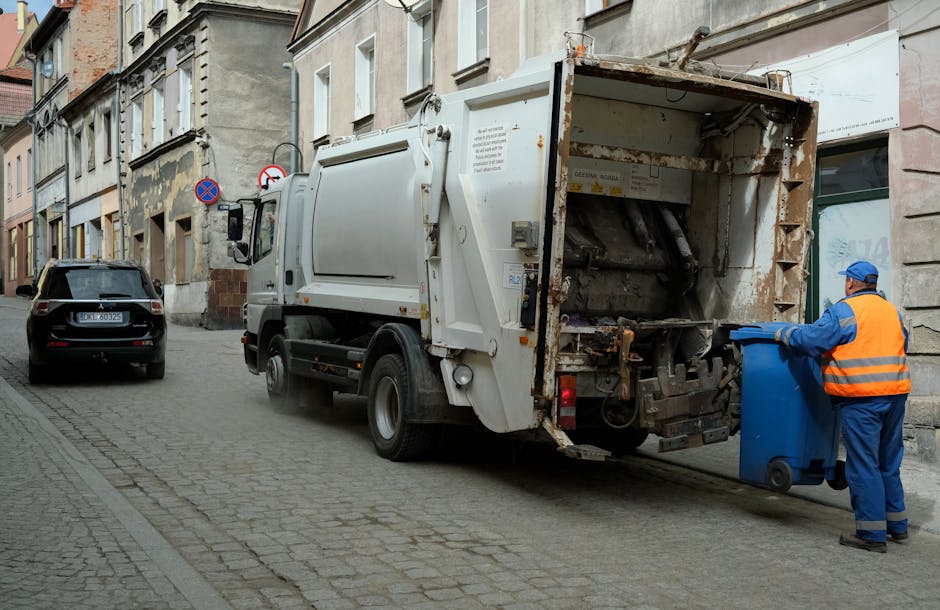
Business Rubbish Services for Munster Village Shops
If you run a shop in Munster Village, rubbish has a habit of appearing faster than you can deal with it. Cardboard by the till, broken packaging in the back room, old display units, stockroom clutter, and the odd bulky item that somehow stayed "just for now" for three months. Business Rubbish Services for Munster Village Shops are designed to stop that build-up from turning into a daily headache.
In simple terms, the right service helps local retailers clear waste quickly, keep trading spaces tidy, and stay on top of safe, lawful disposal. That matters whether you manage a small boutique, a convenience store, a cafe with retail shelves, or a shop that gets a lot of packaging and turnaround stock. This guide walks through how it works, what to expect, where the risks sit, and how to choose a service that actually makes life easier.
Table of Contents
- Why Business Rubbish Services for Munster Village Shops Matters
- How Business Rubbish Services for Munster Village Shops Works
- Key Benefits and Practical Advantages
- Who This Is For and When It Makes Sense
- Step-by-Step Guidance
- Expert Tips for Better Results
- Common Mistakes to Avoid
- Tools, Resources and Recommendations
- Law, Compliance, Standards, or Best Practice
- Options, Methods, or Comparison Table
- Case Study or Real-World Example
- Practical Checklist
- Conclusion
- Frequently Asked Questions
Why Business Rubbish Services for Munster Village Shops Matters
Retail spaces are sensitive environments. Customers notice clutter. Staff notice blocked corridors. Deliveries become awkward when back-of-house areas fill with empty boxes and old fixtures. And let's face it, a shop that smells faintly of damp cardboard and stale packaging never gives the best first impression.
Munster Village shops often operate in compact premises where every square metre counts. If waste is left unmanaged, it can affect display quality, stock access, staff safety, and even day-to-day morale. A tidy shop feels calmer. It sounds like a small thing, but it really isn't. When the back room is clear, your team can work faster and with less frustration.
There is also the reputation factor. A neat, organised store suggests care and professionalism. A messy loading area does the opposite, even if your front-of-house looks perfect. Customers may never mention it, but they notice. In our experience, the businesses that stay on top of rubbish tend to look more "in control" across the board.
Business waste also carries a compliance angle. Shop owners and managers have a duty to dispose of waste responsibly and use appropriate carriers. That means simply dumping mixed rubbish with household waste is not the answer. A proper service helps you avoid avoidable problems and makes the process much less of a faff.
Practical takeaway: tidy waste handling is not just about cleanliness. It supports safety, customer perception, staff efficiency, and compliance in one go.
How Business Rubbish Services for Munster Village Shops Works
The process is usually straightforward, though the detail can vary by provider and the type of waste involved. Most shop waste clearance services follow a simple pattern: assess the rubbish, agree what needs removing, arrange a collection time, clear the items, and take them for sorting, recycling, or disposal.
For a shop, that can mean anything from a quick load of cardboard and shrink wrap to a more involved clear-out involving damaged shelves, old mannequins, worn furniture, or obsolete stockroom fittings. If you are replacing counters or shop fittings, you may also need a separate builders waste clearance approach for heavier rubble, timber offcuts, or renovation debris. Not every job is the same, and that distinction matters.
A good provider will usually ask what type of waste you have, how much there is, whether it is bulky, and whether anything needs special handling. That helps them bring the right team and vehicle. You do not want a small collection van turning up for a full shop refit, obviously. That ends badly for everyone.
Some collections are one-off, such as after a seasonal changeover or a shop redesign. Others are recurring, like weekly packaging clearances or regular stockroom decluttering. If your waste output is constant, a structured business waste removal service is usually more practical than waiting until the place starts to overflow.
In day-to-day terms, the service should be simple for you: clear communication, sensible timing, minimal disruption, and a team that knows how to work around trade hours. That usually means early mornings, quieter periods, or tightly planned collections before opening or after close.
Key Benefits and Practical Advantages
The value of business rubbish collection is not just in "getting rid of stuff". It is in reducing friction across the business. That sounds a bit corporate, but it is true. The smoother your back-of-house runs, the smoother everything else tends to run too.
- More usable space: stockrooms, corridors, and back areas become easier to use when waste is removed regularly.
- Better presentation: tidy premises feel more professional to customers and suppliers.
- Improved safety: less clutter means fewer trip hazards, blocked fire exits, and awkward lifting situations.
- Less staff stress: people do better work in spaces that are easy to move around in.
- Faster turnaround: seasonal reset, refits, and deliveries are easier when rubbish is not in the way.
- More responsible disposal: suitable sorting and recycling help reduce landfill where possible.
There is also a hidden benefit: better decision-making. When a shop is cluttered, it is easy to keep things "just in case". Old fixtures, broken chairs, unusable packaging, faded point-of-sale materials - they all sit there becoming part of the background. A proper clear-out helps you reset what really needs to stay.
For some businesses, this translates into better stock control. You can actually see what is in the room. It sounds basic, but that visibility saves time every week. And in a small London shop, time is valuable. Very valuable.
Who This Is For and When It Makes Sense
Business rubbish services are useful for a wide range of Munster Village shops, not just larger retailers. If you have any regular waste stream, occasional bulky waste, or stockroom clutter, there is a good chance the service will pay for itself in reduced hassle alone.
Typical users include:
- independent boutiques clearing packaging and display waste
- newsagents and convenience stores dealing with constant cardboard flow
- cafe shops with retail stock, packaging, and occasional furniture replacement
- speciality stores that update displays often
- shops refurbishing after a rebrand or seasonal change
- retailers with limited storage space and frequent deliveries
It also makes sense when a shop is between staff rotations, preparing for inspection, or trying to recover from a messy busy period. Truth be told, many owners wait too long. They keep working around the pile until the pile becomes the problem.
If you are not sure whether you need a one-off clearance or something more regular, think about frequency. If waste appears once every few months, a scheduled clear-out may be enough. If it appears weekly or daily, you will probably want a repeat arrangement that fits the shop's rhythm.
Another good trigger is change. New season stock, shopfit works, reorganising a storeroom, or moving to a smaller premises all tend to generate rubbish fast. That is usually the moment people realise they need a proper plan rather than a few bin bags and a hopeful attitude.
Step-by-Step Guidance
If you want the process to run smoothly, it helps to treat waste clearance like a small operational project rather than a last-minute chore. The following approach keeps things tidy and saves time on the day.
- Walk through the space. Check the shop floor, stockroom, staff area, and any outside holding space. Note what is going and what is staying.
- Separate the waste by type. Cardboard, mixed packaging, old furniture, shop fittings, and general rubbish should not all be treated the same way.
- Flag anything unusual. If there are heavy items, sharp edges, or fragile fixtures, mention them in advance.
- Choose the best timing. Most shops benefit from early morning or after-hours collection to reduce disruption.
- Book a clear scope. Be specific about what needs removing. The clearer the brief, the smoother the job.
- Prepare access. Make sure doors, corridors, and loading points are clear. It saves a lot of shuffling around.
- Check what happens next. Ask how the waste will be handled, especially if you care about recycling or documentation.
A small but important tip: take photos before the clearance if the job is fairly complex. Not for drama. Just for clarity. It helps everyone stay aligned if there are lots of items or multiple storage corners.
Once the rubbish is removed, do a quick reset of the space. Wipe down shelves, sweep the floor, and put the essentials back neatly. That fresh-start feeling is real. You will notice it immediately when you walk in the next morning.
Expert Tips for Better Results
After enough clearances, a few patterns become obvious. The smooth jobs are rarely the ones with the fanciest planning. They are the ones where the shop team has made simple, practical choices beforehand.
First, keep waste streams separate whenever you can. Cardboard piled together is easier to handle than mixed rubbish, and separated items are often easier to recycle. It also reduces sorting time later.
Second, don't let storage areas become "temporary parking". A chair waiting for repair, a broken display stand, a stack of old promotional boards - these things quietly multiply. They always do. Give them a proper deadline.
Third, think about access before collection day. Narrow entrances, stairs, shared hallways, and awkward loading spots can all slow things down. A bit of advance planning prevents a lot of swearing under one's breath.
Fourth, use the clearance as a reset point. If a shelf or fixture has been sitting unused for months, ask whether it really needs to return. Often the answer is no. Sometimes a clean break is the best decision.
Fifth, keep an eye on sustainability. A reputable service should be able to explain how different waste types are managed. If you care about responsible handling - and most good businesses do - that is worth asking about. You can also look at a provider's recycling and sustainability approach to get a sense of their priorities.
If you want the business side to be smooth as well, it helps to understand payment terms, service expectations, and what is included upfront. That sort of boring detail saves arguments later, which is never a bad thing. Not glamorous, but useful.
Common Mistakes to Avoid
Most waste-related problems come from the same handful of mistakes. Easy enough to avoid once you know them, though people still trip over them all the time.
- Leaving it too late: if you wait until the storage room is blocked, the job becomes more expensive and stressful.
- Mixing waste types: putting everything in one pile can complicate handling and recycling.
- Ignoring access constraints: a clearance team needs realistic space to work safely.
- Assuming every item is standard rubbish: some shop fixtures, electronics, or bulky items may need special handling.
- Not asking how waste is processed: a good provider should be able to explain the general process in plain English.
- Forgetting staff coordination: if the team does not know what is being removed, items can accidentally get moved twice.
One common slip-up is underestimating how much rubbish packaging creates. A shop can go from tidy to chaotic after one good delivery day. Boxes, wrap, strapping, filler material, damaged outer cartons - the lot. It is not surprising, just inconvenient.
Another thing people miss is internal timing. If you schedule clearance during your busiest hours, you create a second problem while solving the first. Sometimes the obvious slot is not the right one. That little bit of judgment matters.
Tools, Resources and Recommendations
You do not need elaborate systems to manage shop waste well. A few sensible tools and habits go a long way.
- Clearly labelled bins or containers: help staff separate cardboard, general waste, and reusable materials.
- Stockroom sign-off sheet: useful when more than one person manages the back room.
- Phone photos before collection: handy for quoting and for confirming what is meant to go.
- Simple waste log: not essential, but helpful if you want to track recurring waste issues.
- Measured access route: knowing the width of a doorway or stair run can prevent a lot of surprises.
For businesses comparing service options, a transparent quote process is a good sign. If you want to understand pricing structure and what information is usually needed, the pricing and quotes page is a sensible place to start.
If you are looking for a broader service overview, it can also help to see how general waste removal is handled alongside more tailored business collections. That gives a better picture of what is included and where the service boundaries sit.
And if you want to understand the people behind the service, the about us page is useful for getting a feel for the company's approach, while the contact us page is there when you are ready to ask a straightforward question. Simple, really.
Law, Compliance, Standards, or Best Practice
Business waste in the UK is expected to be handled responsibly. For shop owners, the safest approach is to use a waste carrier or clearance provider that can collect, transport, and process waste appropriately. You do not need to become a legal expert to do this well, but you do need to avoid casual disposal habits.
Best practice usually includes:
- keeping business waste separate from household waste where relevant
- using a provider that follows safe handling and transport procedures
- making sure the waste is described honestly and accurately
- storing waste so it does not block exits, walkways, or customer areas
- being careful with items that may be sharp, heavy, or awkward
Health and safety matters in small shops just as much as in larger sites. A cardboard stack near a doorway, a broken shelf leaning in a corridor, or a stray box band on the floor can all cause unnecessary risk. It is the ordinary stuff that tends to trip people up.
Responsible providers should also have clear internal policies. If that matters to you - and it should - it is worth looking at their health and safety policy and insurance and safety information. Those pages help build confidence that the job will be handled properly.
If you are comparing terms or want to know how the service is structured, a clear terms and conditions page can be reassuring. It tells you what a provider expects and what you can expect back. That sort of clarity is underrated, honestly.
Options, Methods, or Comparison Table
There are a few ways Munster Village shops can manage rubbish. The best choice depends on volume, frequency, item type, and how much staff time you want to spend dealing with it.
| Option | Best For | Pros | Limitations |
|---|---|---|---|
| In-house bin management | Very small waste volumes | Simple, familiar, low upfront effort | Can become messy fast; limited for bulky items |
| One-off clearance | Seasonal resets, refits, stockroom decluttering | Flexible, good for occasional bigger jobs | Not ideal for ongoing packaging or regular waste |
| Recurring business waste removal | Regular retail waste streams | Predictable, efficient, less disruption | Needs a bit more planning and routine |
| Mixed ad hoc disposal | Emergency situations only | Quick in the moment | Usually the least efficient and easiest to mishandle |
For many Munster Village shops, the sweet spot is a mix of routine waste handling and occasional clearance support. That way, everyday packaging does not snowball, and larger items are removed before they become part of the furniture - literally.
Case Study or Real-World Example
Picture a small independent shop near Munster Village that has just finished a seasonal display change. The front of shop looks good, but the stockroom tells a different story: flattened boxes, damaged display units, broken shelving offcuts, and a stack of old signage leaning against the wall.
The owner had been working around it for weeks. Customers never saw the mess, but staff had to squeeze past it every time they fetched stock. One afternoon, a delivery arrived early and the whole back area became a bottleneck. Nothing dramatic happened, thankfully, but it was the moment the team realised the clutter was slowing them down.
They booked a clearance, sorted the waste types, and arranged the collection for a quiet morning before opening. The result was simple but noticeable: the back room became usable again, staff moved faster, and the owner stopped wasting time thinking, "I must deal with that pile." Sometimes that is the real win. Less mental clutter, too.
There was no magic to it. Just a sensible process, a clear scope, and the right timing. But the shop felt lighter afterwards. Cleaner. Easier to run. That sort of change is hard to overstate until you have lived with the mess for a while.
Practical Checklist
Use this checklist before booking or carrying out a shop waste clearance:
- Identify the waste types you need removed
- Separate cardboard, packaging, general rubbish, and bulky items
- Check whether any items need special handling
- Measure access routes if the space is tight
- Choose a collection time that avoids peak trading periods
- Tell staff what is staying and what is going
- Ask how the waste will be sorted or processed
- Review the quote so you understand what is included
- Clear doorways, corridors, and loading spots before the team arrives
- Do a final sweep once the rubbish has been removed
If you can tick most of those off, the job usually goes smoothly. Not always perfectly - real life is real life - but smoothly enough.
Get a free quote today and see how much you can save.
Conclusion
Business Rubbish Services for Munster Village Shops are about more than collection and disposal. They help local retailers protect space, reduce clutter, improve safety, and keep the customer experience looking polished. For a shop, that can be the difference between constant small frustrations and a back-of-house area that actually supports the way you work.
The best approach is straightforward: know your waste, clear it regularly, and choose a provider that communicates clearly and handles the job with care. If you are planning a refit, resetting a stockroom, or simply tired of navigating around piles of boxes, the right service can make the whole place feel easier to run. And that counts for a lot.
When the shop is calm behind the scenes, everything else tends to feel a bit lighter. That's worth aiming for.
Frequently Asked Questions
What counts as business rubbish for a shop?
Business rubbish can include cardboard, packaging, unwanted stockroom items, broken fixtures, display materials, old furniture, and general retail waste. The exact mix depends on the shop, but anything created by the business rather than the household side is usually treated as business waste.
How often should a Munster Village shop arrange rubbish clearance?
That depends on how much waste the shop produces. Some small retailers only need an occasional one-off clearance, while busier shops benefit from regular collections. If packaging builds up every week, a recurring arrangement is usually the better fit.
Can a shop mix cardboard and general waste together?
It can be done in some cases, but it is usually better to separate waste where possible. Cardboard and packaging are often easier to handle and recycle when kept apart. Mixing everything together may slow the process and reduce recycling opportunities.
What if we have bulky items like shelving or counters?
Bulky items can usually be removed, but they should be described clearly before the collection. Heavier fixtures or items from a shop refit may need a different approach from standard bagged waste. Mention them early so the right team and vehicle can be arranged.
Will the clearance disrupt trading hours?
It does not have to. Many shop clearances are arranged before opening, after closing, or during quieter periods. The key is to plan the timing so staff and customers are not in the way. A bit of coordination goes a long way.
Is there a difference between rubbish removal and business waste removal?
Yes, there can be. Rubbish removal is a broad term, while business waste removal usually refers to ongoing or scheduled waste from commercial premises. For shops, the right option depends on whether you need a one-off clearance or a regular service.
How do I know if a provider is suitable for my shop?
Look for clear communication, a sensible quote process, and evidence that they understand safety and responsible disposal. It also helps if they can explain what happens to the waste afterwards. If their answers are vague, that is usually a warning sign.
Can waste clearance help during a shop refit or rebrand?
Absolutely. Refits and rebrands tend to create a surprising amount of waste, from old shelving and signage to packing materials and redundant fittings. A planned clearance keeps the job moving and helps the space feel ready for reopening.
What should we do before the team arrives?
Separate the items you want removed, make access clear, and tell staff what is happening. If anything is fragile, unusually heavy, or awkward to move, highlight it in advance. That saves time and reduces the chance of confusion on the day.
Why does recycling matter for shop waste?
Recycling helps reduce the amount of waste sent to landfill and supports a more responsible approach to business operations. For many shops, it is also a practical choice because packaging materials such as cardboard are so common. A good provider should be able to explain their general recycling approach.
What if we only need help once?
A one-off clearance can be the right choice if the rubbish build-up is tied to a reset, a delivery surge, or a seasonal change. You do not need a permanent arrangement to benefit from professional help. Sometimes one clean sweep is enough to get the shop back under control.
Where should I start if I am comparing providers?
Start with scope, timing, and clarity. Ask what they remove, how they handle different waste types, what is included in the price, and how they work around your trading hours. If you want to speak with the team directly, the contact us page is the natural next step.